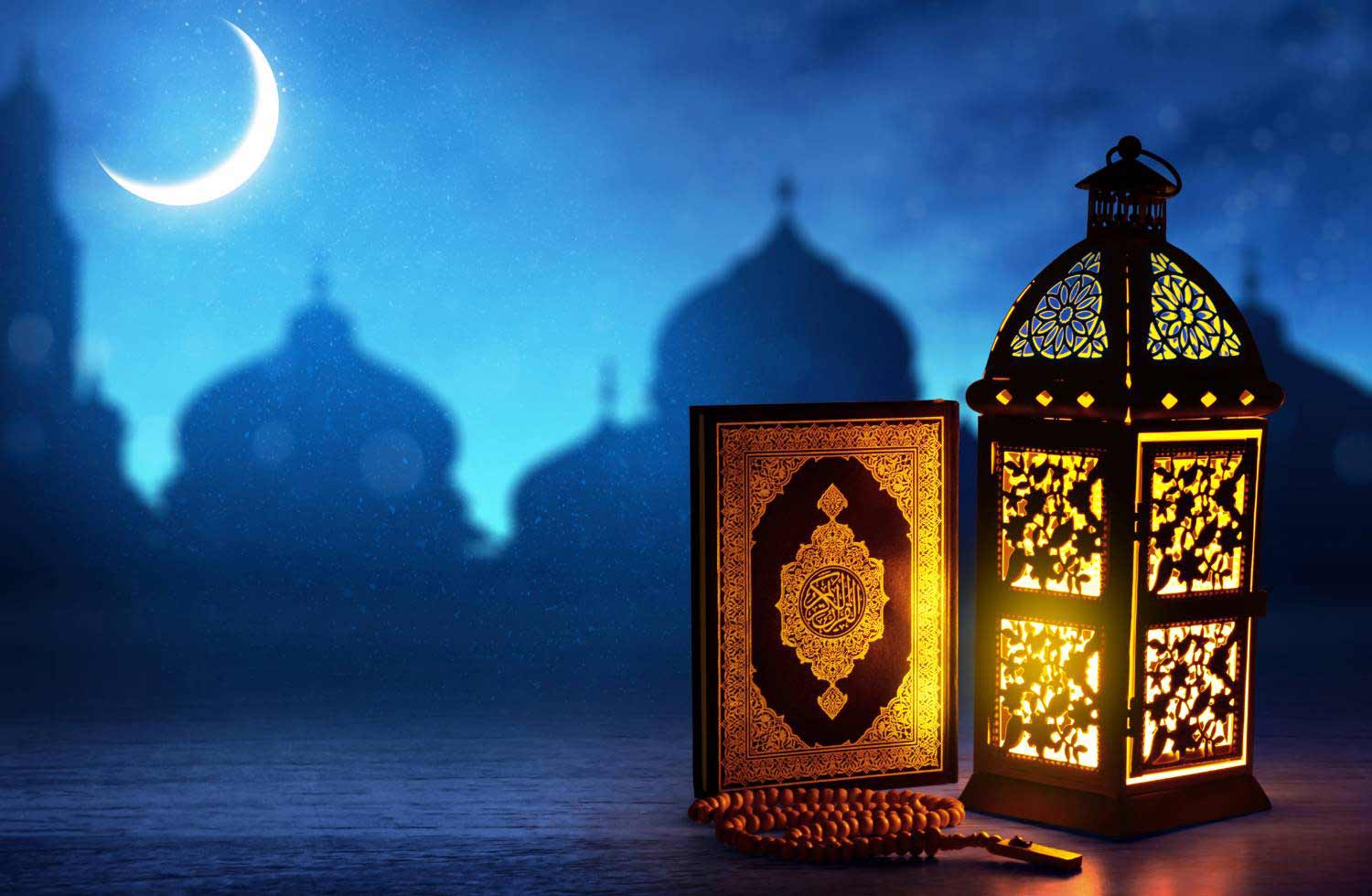
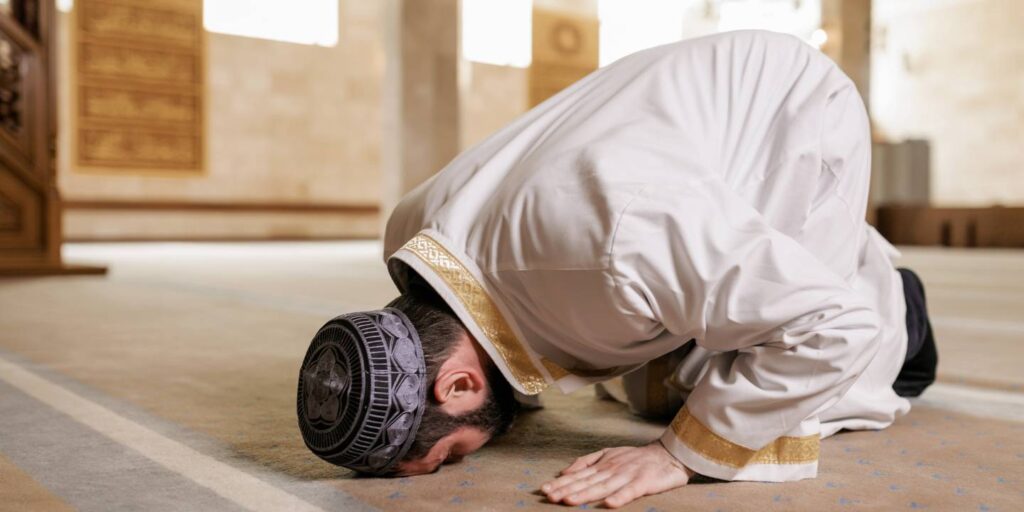
Ramadan Holy Month for Muslims
For Western travelers and expatriates visiting Pakistan during Ramadan, the holy month presents a distinct blend of cultural immersion and strict legal boundaries. Navigating this period requires more than basic etiquette; it demands a clear understanding of federal regulations that govern public behavior from dawn to dusk.
The Ehtram-e-Ramazan Ordinance
Unlike destinations with relaxed seasonal policies, Pakistan enforces the Ehtram-e-Ramazan Ordinance, a federal law prohibiting public eating, drinking, and smoking during fasting hours.
Legal Nuances for Foreigners
Islamic law explicitly exempts travelers and non-Muslims from fasting. However, the Pakistani ordinance mandates that all consumption happens completely out of public view. Establishments like cinemas close during daylight hours, and most restaurants shut their doors until just before Iftar (the evening meal). Violating these public consumption rules carries the risk of legal penalties, making discreet compliance essential.
Adapting Your Travel Routine
Summer fasting hours often coincide with intense heat, turning hydration into a logistical challenge when drinking water publicly is banned. You must plan your daily excursions carefully, prioritizing morning hours for strenuous activities. Carry concealed water for private consumption inside your hotel room or a private vehicle. The country’s pace slows down considerably during the afternoon, only to erupt into vibrant street food celebrations immediately after sunset.
Cultural Etiquette and Community
Beyond the legal framework, showing respect for fasting locals builds immense goodwill. Accepting an invitation to an Iftar gathering offers unparalleled insight into Pakistani hospitality and community bonding.
Ramadan Travel Adjustments in Pakistan
| Activity | Standard Practice | Ramadan Protocol |
| Dining | Restaurants open continuously | Closed from dawn to sunset; public consumption banned. |
| Hydration | Public drinking is standard | Carry concealed water; drink only in private spaces. |
| Pacing | Regular daytime activities | Quiet afternoons; massive community gatherings post-sunset. |
| Business | Standard 9-to-5 operations | Reduced daytime hours; entertainment venues remain closed. |
Key Takeaway Action Checklist
- Pack a solid backpack to carry a discreet water bottle for hydration in private areas.
- Schedule outdoor tours and critical business meetings for the early morning.
- Purchase groceries and snacks the night before for daytime consumption in your hotel room.
- Join a local Iftar dinner to experience the country’s rich culinary traditions.
How to Enjoy a Great Vacation in Karachi, Pakistan (topguide101.com)
Sehri and Iftari Protocol
Navigating Ramadan in Pakistan requires synchronizing your daily routine with the strict pre-dawn to post-sunset fasting schedule. Mastering the rhythms of Sehri and Iftar allows travelers to participate in the cultural experience while respecting local customs.
Decoding the Daily Fasting Rhythm
The fasting cycle relies entirely on the lunar calendar and daily solar positions. Because sunrise and sunset shift slightly each day, the exact windows for eating alter progressively throughout the 30-day period.
Sehri: The Pre-Dawn Meal
Sehri occurs in the middle of the night, concluding moments before Fajr, the first morning prayer. Neighborhoods often wake up to mosque announcements or community drum beaters calling families to prepare their meals. Travelers should anticipate early morning noise and adjust their sleep schedules accordingly.
Iftar: The Sunset Celebration
The fast officially breaks at Maghrib, the fourth daily prayer, with Iftar. Streets empty briefly as families gather to eat, followed by a surge of bustling activity, open markets, and communal dining that lasts late into the night.
Daily Schedule Comparison
| Meal Phase | Timing | Cultural Context | Travel Advice |
| Sehri | Pre-dawn (Before Fajr) | Early morning family meal preparing for the day’s fast. | Expect neighborhood noise; keep earplugs handy. |
| Fasting Window | Fajr to Maghrib | Complete abstention from food and water. | Do not eat or drink in public view. |
| Iftar | Post-sunset (At Maghrib) | Breaking the fast communally, traditionally with dates. | Join locals for dinner; anticipate heavy evening traffic. |
Key Takeaway Action Checklist
- Download a local prayer time app to track the daily shifting minutes of Fajr and Maghrib.
- Pack silicone earplugs if you are a light sleeper to block out pre-dawn Sehri announcements.
- Avoid traveling on major roads precisely at sunset, as drivers rush home for Iftar.
- Accept local Iftar invitations to experience authentic Pakistani culinary traditions directly.
Traveler Resource: Ready to map out your daily itinerary? Consult local Pakistani meteorological websites or prayer tracking tools upon arrival to pinpoint exact daily lunar shifts and plan your excursions accordingly.
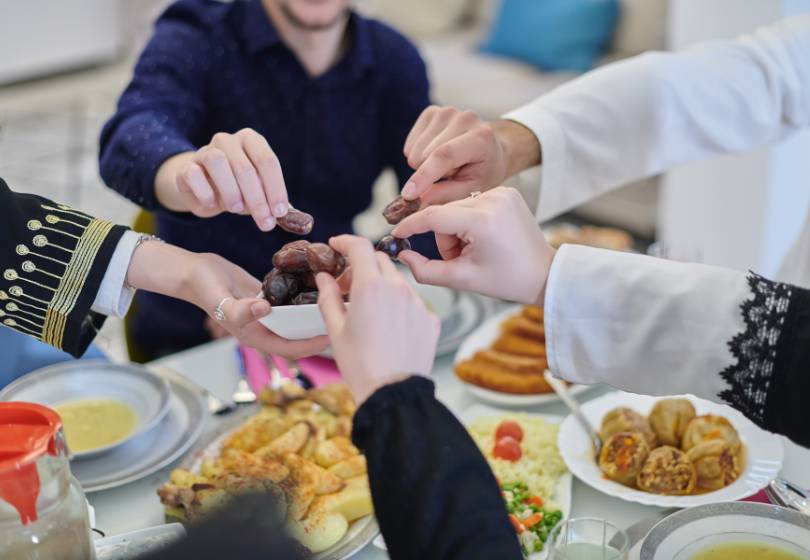
Summer Ramadan travel stretches your endurance with significantly longer fasting hours, testing even the most seasoned cultural explorers. Yet, these extended daylight waits make the nightly Iftar feasts infinitely more rewarding for culinary tourists.
The Seasonal Mathematics of Summer Fasting
Because the Islamic calendar rotates, Ramadan shifts into peak summer months roughly every three decades. This seasonal shift drastically alters the traveler’s daily rhythm. You face up to 16 hours of daylight without access to public dining or daytime street food, requiring a massive adjustment in your itinerary pacing.
Strategic Culinary Networking
Connecting with diverse groups for Iftar requires proactive networking when your energy levels naturally dip late in the day. Instead of wandering empty afternoon streets searching for open cafes, you must coordinate your evening meals well in advance. Securing invitations from different local families or booking community dinners transforms a physically grueling day into a rich, varied culinary exchange.
Summer vs. Winter Ramadan Travel
| Travel Factor | Summer Dynamics | Winter Dynamics | Tourist Strategy |
| Fasting Duration | 14-16 hours of daylight. | 10-12 hours of daylight. | Pace yourself; prioritize strict rest during summer afternoons. |
| Weather Impact | High heat accelerates dehydration. | Cooler temperatures ease physical strain. | Hydrate heavily in private spaces before dawn during summer trips. |
| Iftar Timing | Late evening (often post 7:30 PM). | Early evening (around 5:00 PM). | Book late-night culinary tours to maximize summer eating windows. |
| Energy Levels | High fatigue by mid-afternoon. | Consistent energy throughout the day. | Front-load strenuous sightseeing immediately after sunrise. |
Key Takeaway Action Checklist
- Map out local community centers early in your trip to secure a variety of authentic Iftar invitations.
- Shift your entire sleep schedule to accommodate late-night summer dining and early morning rest.
- Reserve the extended, quiet afternoon hours for low-energy activities like museum visits, spa appointments, or reading.
- Pack premium electrolyte powders to mix into your private water supply for maximum daytime hydration.
Traveler Resource Box: Ready to map out your cultural itinerary? Consult local expat forums and regional culinary guides to connect with community Iftar hosts before you arrive at your destination.

Navigating Pakistan during Ramadan as a non-fasting tourist requires a delicate balance of personal comfort and profound cultural respect. Mastering discreet habits allows you to experience the country’s legendary hospitality without offending local sensibilities.
Mastering Cultural Discretion
Non-fasting travelers must adopt strict situational awareness to respect the local fasting population. Carrying a visible water bottle in public spaces during daylight hours immediately flags you as culturally insensitive. Keep all hydration and food strictly out of sight until the sun sets.
The Private Consumption Rule
You can easily manage your nutritional needs without breaking local customs. Local convenience stores and neighborhood grocers remain open for daytime shopping. Purchase your snacks discreetly and consume them strictly behind closed doors in your hotel room. If you need water while transiting through the city, take quick sips only inside enclosed private transport, such as a hired taxi or a moving rickshaw.
Why the Effort Pays Off
Adjusting your daily habits yields extraordinary rewards for culturally curious visitors. Pakistan already boasts a well-earned reputation for hospitality, but the fasting month magnifies this community warmth tenfold.
Tourists who respect the local rhythms receive unprecedented invitations to family homes and massive street feasts. Skipping this season means missing out on the most authentic, community-driven travel experience the country offers.
Ramadan Behavior Modification
| Tourist Action | Standard Practice | Ramadan Protocol |
|---|---|---|
| Carrying Water | Holding bottles in hand or mesh backpack pockets. | Storing bottles deep inside an opaque, closed bag. |
| Daytime Snacking | Eating street food or trail mix on the go. | Buying groceries to consume only in a private hotel room. |
| Transit Hydration | Stopping at a public bench to drink. | Drinking only inside a moving, enclosed taxi or rickshaw. |
| Social Connection | Casual daytime meetups at cafes. | Deep community bonding during evening Iftar feasts. |
Export to Sheets
Key Takeaway Action Checklist
- Pack a solid, non-transparent daypack to completely conceal your water bottles and daytime snacks.
- Stock up on high-energy foods at local grocery stores for private daytime consumption in your accommodation.
- Hire private transportation for long city transits to allow for discreet hydration breaks away from public view.
- Approach locals with cultural humility to naturally attract invitations to evening community meals.
Traveler Resource Box: Ready to finalize your cultural immersion itinerary? Check out local Pakistani expat forums for updated neighborhood guidelines, or book a guided evening street food tour to safely navigate the bustling post-sunset bazaars.
Turn your travel adventure into skills! Submit your favorite destination and discover learning opportunities at topskills365.com

See our AMCOB Business Profile
©2025 TopGuide101. Interactive Blog™ is a proprietary concept of the TG360 Ecosystem. All rights reserved.
Quick Access Links: Job Portal| TopSkills365| Learning Alliance Interpreting| Learning Alliance Tutoring| WorldWide Access Staffing| TopGuide101.com TopGuide101 Powered by 360* Interlink Ecosystem
TG360 Content OS – Links
1. Main Blog Website
Access the main blog hub covering interpreting, staffing, skills, career, and content insights.
2. Blog Library
https://topguide101.com/category/blog-360
Browse curated blog posts organized by topic, trends, and guidance.
3. Podcast Library
https://topguide101.com/category/blog-360/tg-360p
Listen to podcasts covering content, skills, career, and industry insights.
4. Skill Library
Explore skill-focused resources and exercises to enhance professional growth.
5. Excel Template Library
Download templates for tracking skills, assignments, and workflows.
6. Job Portal
Find job opportunities, submit applications, and connect with employers.
LAI360 Email OS:
Request Quotation: quote@learnalliances.com
For General Inquiries: inquiry@learnalliances.com
Book Interpreters: booking@learnalliances.com
To Apply: hr@learnalliances.com
