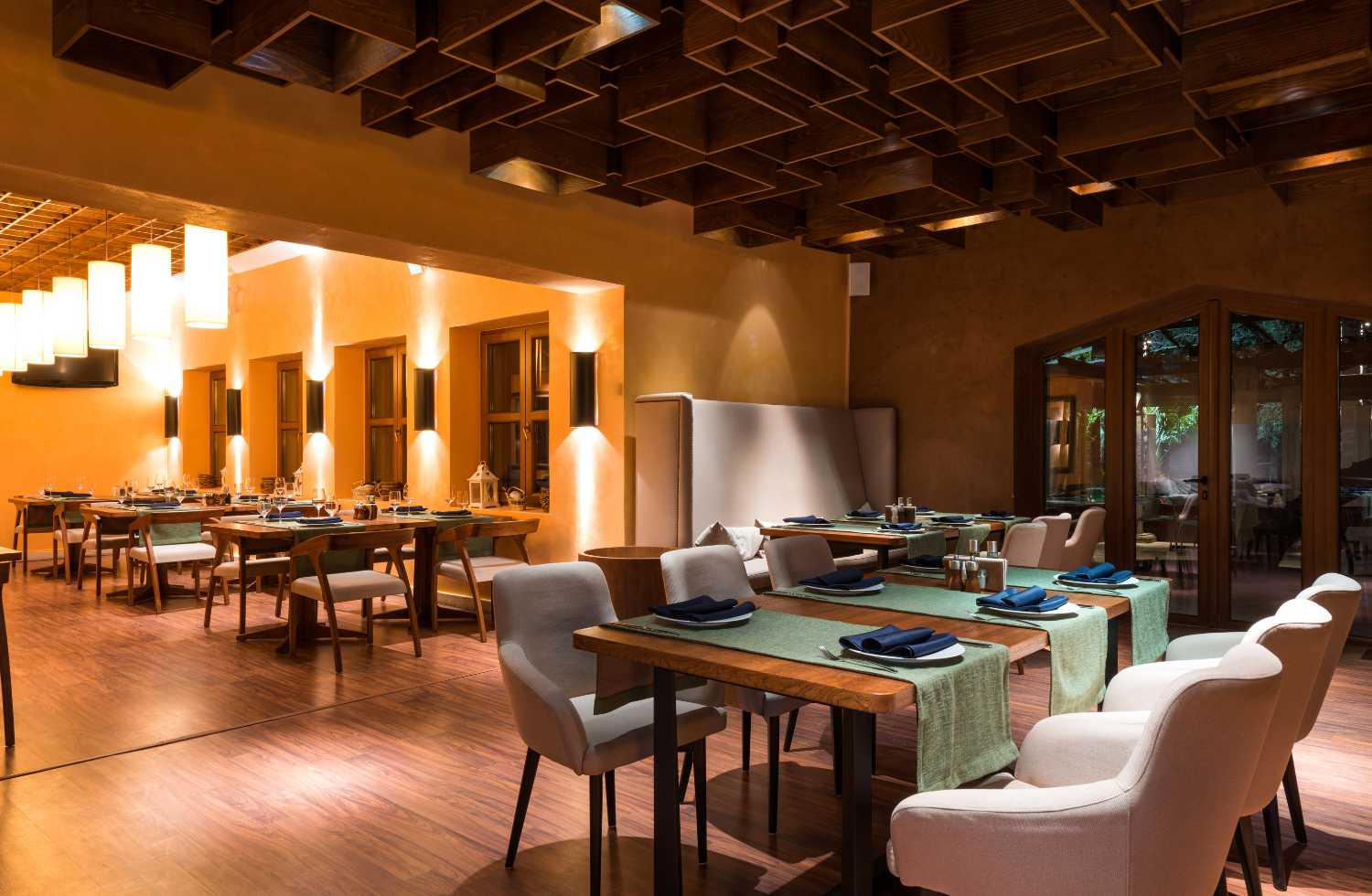
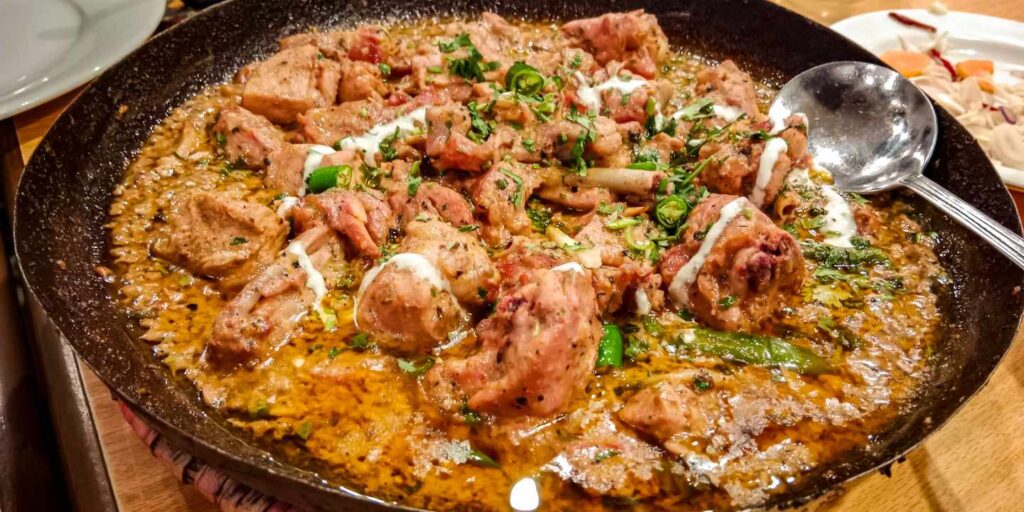
Lahore’s culinary scene often overwhelms first-time visitors with an endless maze of historic street vendors and modern cafes. To truly experience the city’s legendary food culture, you must skip the generic dining advice and navigate directly to its specialized culinary districts.
Navigating the Food Capital
Choosing a dining spot in Pakistan’s cultural heart frequently induces decision fatigue because almost every corner boasts exceptional local cooks. Instead of picking restaurants at random, structure your daily itinerary around the city’s distinct food zones to maximize your tasting opportunities.
Historic Walled City Dining
Fort Road Food Street offers the ultimate atmospheric dining experience. You secure unhindered rooftop views of the brilliantly lit Badshahi Mosque while eating perfectly spiced meats. For a more rugged, fiercely traditional vibe, Gawalmandi remains the undisputed champion of historic street food, serving generations-old recipes of fried fish and Hareesa.
Modern Urban Dining
If you need a break from the intense heat and heavy spices, direct your transport to MM Alam Road in Gulberg. This commercial strip houses the city’s high-end eateries, offering climate-controlled environments. You will find everything from localized pasta dishes to premium steaks, showcasing how local chefs adapt global trends.
Lahore Dining Zone Breakdown
| Dining District | Atmosphere | Iconic Must-Try Foods | Price Tier |
| Fort Road Food Street | Historic rooftops, highly photogenic. | Tawa Chicken, massive BBQ platters. | Medium to High |
| Gawalmandi | Bustling, loud roadside traditional stalls. | Sardar Fish, Siri Paye, Hareesa. | Low |
| MM Alam Road (Gulberg) | Upscale, modern, and air-conditioned. | Fusion cuisine, premium steaks. | High |
| Old Anarkali | Historic market energy, fast-paced. | Fresh fruit chaat, local Karahi. | Low to Medium |
Key Takeaway Action Checklist
- Book a rooftop table at Fort Road precisely at sunset to hear the evening call to prayer echo across the historic architecture.
- Carry small cash denominations when visiting Gawalmandi, as most traditional street vendors do not process digital payments.
- Pace your eating by requesting half-portions (often called “single servings”) so you can sample multiple stalls in a single evening.
- Dress modestly and wear comfortable walking shoes to safely navigate the crowded, narrow alleys of the older food districts.
Experiencing the Best of The Pakistani Cuisine (topguide101.com)
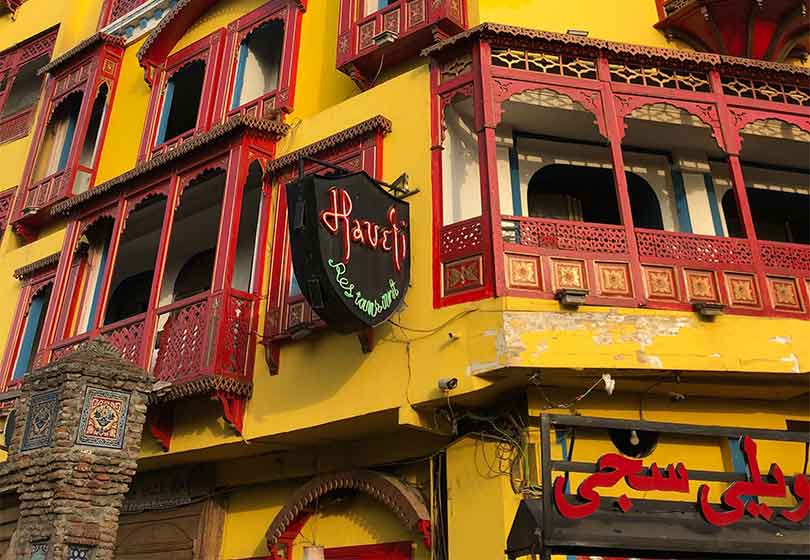
Securing a rooftop table at Haveli Restaurant offers culinary travelers an unmatched sensory experience: breathing in charcoal smoke while overlooking the illuminated Badshahi Mosque. This historic dining institution remains the premier destination for navigating Pakistan’s complex and intensely flavorful kebab culture.
The Walled City’s Culinary Crown Jewel
Haveli commands profound respect from both generational Lahore residents and international food enthusiasts. The kitchen staff bypasses modern shortcuts, relying entirely on traditional charcoal pits and heavy iron skillets to sear their legendary minced meats. You do not just come here for the view; you come to taste heritage recipes executed with absolute precision.
Decoding the Kebab Menu
You must understand the distinct flavor and texture profiles of traditional Pakistani kebabs before placing your order.
The kitchen’s Seekh Kebabs feature finely minced beef heavily spiced with roasted cumin and green chilies. Chefs mold this mixture onto long iron skewers and roast them directly over open flames to achieve a deeply smoky, charred exterior.
For a tangy, robust alternative, order the Chapli Kebab. Originating from northern traditions, these massive, flattened meat patties incorporate crushed coriander, tomatoes, and dried pomegranate seeds to deliver a highly textured, acidic crunch.
If you prefer a melt-in-your-mouth texture, the Shami Kebab is mandatory. Cooks boil chana dal (split chickpeas) and meat together, grind them into a silky paste, and pan-fry the patties until a delicate, buttery crust forms.
Traditional Kebab Comparison Matrix
| Kebab Variety | Cooking Method | Texture Profile | Optimal Bread Pairing |
| Seekh Kebab | Charcoal skewered | Firm, smoky, and charred. | Fresh Garlic Naan |
| Chapli Kebab | Shallow fried on a heavy griddle | Coarse, crispy edges with a juicy center. | Tandoori Roti |
| Shami Kebab | Pan-fried in light oil | Silky, soft, and buttery. | Flaky Paratha |
Crowdsourcing Your Culinary Itinerary
Lahore’s food scene stretches far beyond established rooftop venues, shifting constantly with seasonal pop-ups and hidden neighborhood gems. Do not rely solely on digital maps to plan your dining itinerary. Engage directly with shopkeepers, taxi drivers, or your hotel concierge to discover unlisted street vendors that cater specifically to local palates.
Key Takeaway Action Checklist
- Reserve your Haveli rooftop table at least 48 hours in advance to guarantee an unobstructed, mosque-facing view.
- Order a diverse platter containing both pan-fried Shami and charcoal-roasted Seekh kebabs to contrast the cooking techniques.
- Pair your heavy meats with a side of fresh mint raita (yogurt dip) to balance the intense chili heat.
- Ask your local guide for their personal favorite neighborhood dhaba to find off-the-grid culinary experiences.
Lahore’s culinary identity is intrinsically tied to Nihari, a slow-cooked meat stew historically served to Mughal royalty. To taste this heavy, spice-laden breakfast in its most authentic form, you must navigate directly to the historic branches of Muhammadi Nihari in Mozang.
The Anatomy of Authentic Beef Nihari
Muhammadi Nihari specializes in a deep, intensely flavored beef stew that simmers overnight in massive cauldrons. The slow-cooking process breaks the meat down until it perfectly tenderizes. Cooks serve it swimming in a rich, spiced oil that carries the essence of long pepper and aromatic spices.
To balance the profound richness, servers provide a crucial plate of fresh garnishes. You must generously scatter thinly sliced ginger, fresh coriander, and lemon juice over your bowl before taking the first bite.
Customizing Your Bowl (Maghaz and Nalli)
True food enthusiasts rarely order a plain bowl. You can elevate the baseline beef stew by requesting specific, high-fat additions that drastically alter the dish’s texture.
Ordering the addition of Nalli brings a scoop of buttery, cooked bone marrow directly into the broth. For the ultimate textural contrast, request Maghaz, which adds a portion of delicately fried cow or goat brain. You must strictly pair these heavy bowls with Khameeri Roti, a thick, fermented, and oven-baked flatbread designed to soak up the heavy gravy without disintegrating.
Muhammadi Nihari Ordering Guide
| Nihari Variation | Key Additions | Flavor & Texture Profile | Best For |
| Simple Beef Nihari | Standard slow-cooked beef chunks. | Rich, heavily spiced, and smooth. | First-time tasters. |
| Nalli Nihari | Extracted bone marrow. | Extremely buttery and gelatinous. | Hearty winter breakfasts. |
| Maghaz Nihari | Fried brain portions. | Creamy, delicate, and ultra-rich. | Traditional food purists. |
| Muhammadi Special | Both Maghaz and Nalli combined. |
Key Takeaway Action Checklist
- Visit the original Mozang branch near Qartaba Chowk to ensure you are eating at the authentic establishment.
- Arrive early in the morning for a traditional breakfast service, or visit late at night when the cauldrons are freshly restocked.
- Order Khameeri Roti instead of standard naan to properly absorb the thick stew.
- Add ample fresh ginger and lemon juice to cut through the extreme richness of the marrow and oil.
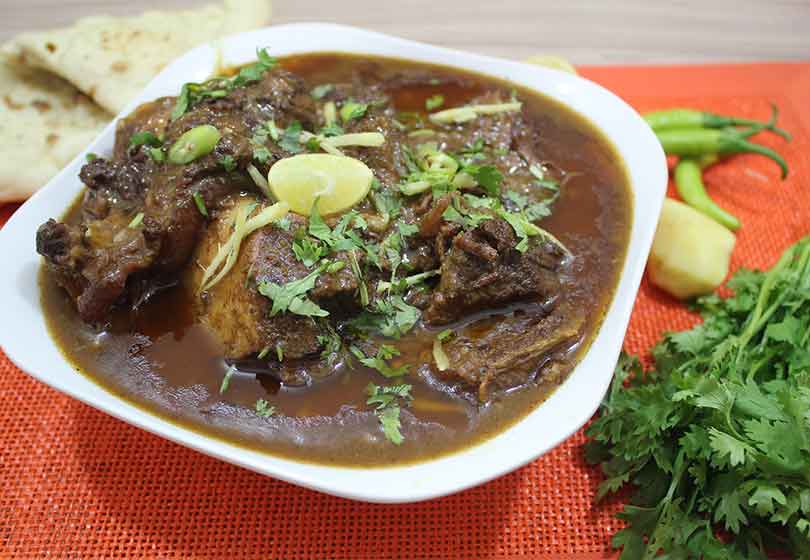
Securing a bowl of rich, slow-cooked Nihari in Lahore offers more than just a legendary breakfast; it serves as your direct initiation into Pakistan’s world-class culture of hospitality. Bypassing standard tourist routes to eat at historic street-side institutions guarantees a deeply authentic culinary farewell to the Walled City.
The Intersection of Heritage and Hospitality
Food in Pakistan operates as a universal language of welcome. When you pull up a plastic chair at a crowded Lahori food street, locals frequently insist on sharing their tables and regional recommendations.
Vendors actively take pride in their heritage recipes, often going out of their way to explain the complex spice profiles or offer complimentary tastings of fresh flatbreads. This genuine warmth transforms a simple breakfast stew into an immersive cultural exchange that hotel dining rooms simply cannot replicate.
Navigating Lahori Street Dining
| Dining Element | Standard Tourist Expectation | The Authentic Lahore Experience |
| Service Style | Transactional and rushed. | Deeply personal, highly attentive, and conversational. |
| Food Sourcing | Generic hotel buffets. | Historic stalls specializing in single heritage dishes like Nihari. |
| Cultural Interaction | Isolated, private dining tables. | Shared communal seating and spontaneous local conversations. |
| Pricing & Value | High markups for foreign visitors. |
Key Takeaway Action Checklist
- Tip your servers and street vendors directly in small cash denominations to show appreciation for their highly personalized service.
- Accept spontaneous dining recommendations from locals seated near you to discover off-menu specialties.
- Ask the chef or server for their specific regional favorites instead of relying strictly on a translated English menu.
- Eat with your right hand using freshly baked Khameeri Roti to fully respect and participate in traditional South Asian dining etiquette.
Top Guide 101 travel blog is the best site to find your favorite topic about best quality food restaurant in Pakistan.

See our AMCOB Business Profile
Quick Access Links: Job Portal| TopSkills365| Learning Alliance Interpreting| Learning Alliance Tutoring| WorldWide Access Staffing| TopGuide101.com TopGuide101 Powered by 360* Interlink Ecosystem
©2025 TopGuide101. Interactive Blog™ is a proprietary concept of the TG360 Ecosystem. All rights reserved.
TG360 Content OS – Links
1. Main Blog Website
Access the main blog hub covering interpreting, staffing, skills, career, and content insights.
2. Blog Library
https://topguide101.com/category/blog-360
Browse curated blog posts organized by topic, trends, and guidance.
3. Podcast Library
https://topguide101.com/category/blog-360/tg-360p
Listen to podcasts covering content, skills, career, and industry insights.
4. Skill Library
Explore skill-focused resources and exercises to enhance professional growth.
5. Excel Template Library
Download templates for tracking skills, assignments, and workflows.
6. Job Portal
Find job opportunities, submit applications, and connect with employers.
LAI360 Email OS:
Request Quotation: quote@learnalliances.com
For General Inquiries: inquiry@learnalliances.com
Book Interpreters: booking@learnalliances.com
To Apply: hr@learnalliances.com
